
0011.digital can design, build, and optimize Unbounce landing pages for your campaigns, including setup, integrations, and A/B testing.
Contact us.You’ve put effort into getting people to your landing page, but are they sticking around? Sometimes, even small missteps can make visitors leave without taking action. These landing page mistakes can really hurt your results. Luckily, tools like Unbounce can help you spot and fix these issues, making your pages work better for you. Let’s look at some common landing page mistakes and how to avoid them.
Key Takeaways
- A clear value proposition tells visitors exactly what you offer and why it matters to them, right away.
- Keep your design clean and focused. Too much clutter distracts people from your main goal.
- Social proof, like testimonials, builds trust and shows potential customers that others have had good experiences.
- Make sure your ad copy matches what people see on your landing page to avoid confusion and build trust.
- Having too many calls to action can confuse visitors; focus on one main goal for your page.
1. Lack Of Clear Value Proposition
When someone lands on your page, they have a few seconds to figure out what you’re offering and why they should care. If they can’t grasp the main benefit right away, they’re likely to hit the back button. Your landing page needs to clearly state what you do and what’s in it for them.
Think about it: if your headline is vague, like "Improve Your Business," or buried under a lot of text, visitors won’t stick around. They need to see the core benefit immediately, explained in simple terms. It’s not the place for clever wordplay; it’s about direct communication.
Here’s what you should aim for:
- Headline: Make it short, clear, and benefit-driven. It should tell visitors exactly what they’ll gain.
- Subheading: Use this to add a bit more detail or context, but keep it concise and relevant to how they found your page.
- Visuals: Images or videos should support your message and show, rather than just tell, the value.
The goal is to answer the visitor’s unspoken questions: What is this? Why should I care? What’s in it for me? If you can’t answer these quickly, you’ve lost them.
For instance, instead of "Our Software Solutions," try "Streamline Your Workflow in 3 Easy Steps." This tells visitors the benefit and hints at the ease of use, making them more likely to explore further.
2. Cluttered And Distracting Design
Your landing page is meant to guide visitors toward a specific action, like signing up for a webinar or downloading an ebook. Think of it as a clear path, not a busy intersection. When a page is packed with too many elements – like navigation menus, unrelated links, or a jumble of images and text – it can overwhelm your audience. This clutter can make it hard for people to figure out what you want them to do, and honestly, it just feels messy.
A clean, focused design is key to keeping visitors on track.
Here’s what often causes a cluttered look:
- Too much text without enough white space.
- Unnecessary graphics or animations that don’t add to the message.
- Multiple calls to action competing for attention.
- A busy background that makes text hard to read.
When your page feels like a digital maze, people tend to get lost and leave. It’s like trying to read a book with the TV blaring in the background – it’s just too much to process at once. The goal is to make it super simple for someone to understand your offer and take the next step.
Keep your landing page stripped down to its essentials. Remove anything that doesn’t directly support your main goal. This means ditching the main website navigation and limiting external links so visitors stay focused on the task at hand.
3. No Social Proof
Think about it: when you’re looking at a new product or service, do you immediately trust it? Probably not. You want to see that other people have tried it, liked it, and found it useful. That’s where social proof comes in.
Without any signs that others have put their faith in your offering, visitors are left wondering if they should be the first. This doubt can stop them in their tracks. You need to show them that you’re not just saying your product is great; you have evidence.
Here are a few ways to build that trust:
- Customer Testimonials: Share quotes from happy customers. Including their name and city adds a nice touch of authenticity.
- Client Logos: If you’ve worked with recognizable brands, display their logos. It’s like a silent endorsement.
- Third-Party Certifications: Security badges or seals from reputable organizations can make visitors feel more secure, especially if they’re sharing sensitive information.
- Press Mentions: Did a well-known blog or publication say something nice about you? Share it!
Showing that others trust you makes it much easier for new visitors to do the same. It’s about building confidence and reducing that initial hesitation. When people see that your product or service has a track record of success, they’re far more likely to take the next step.
4. Ad Copy Misalignment
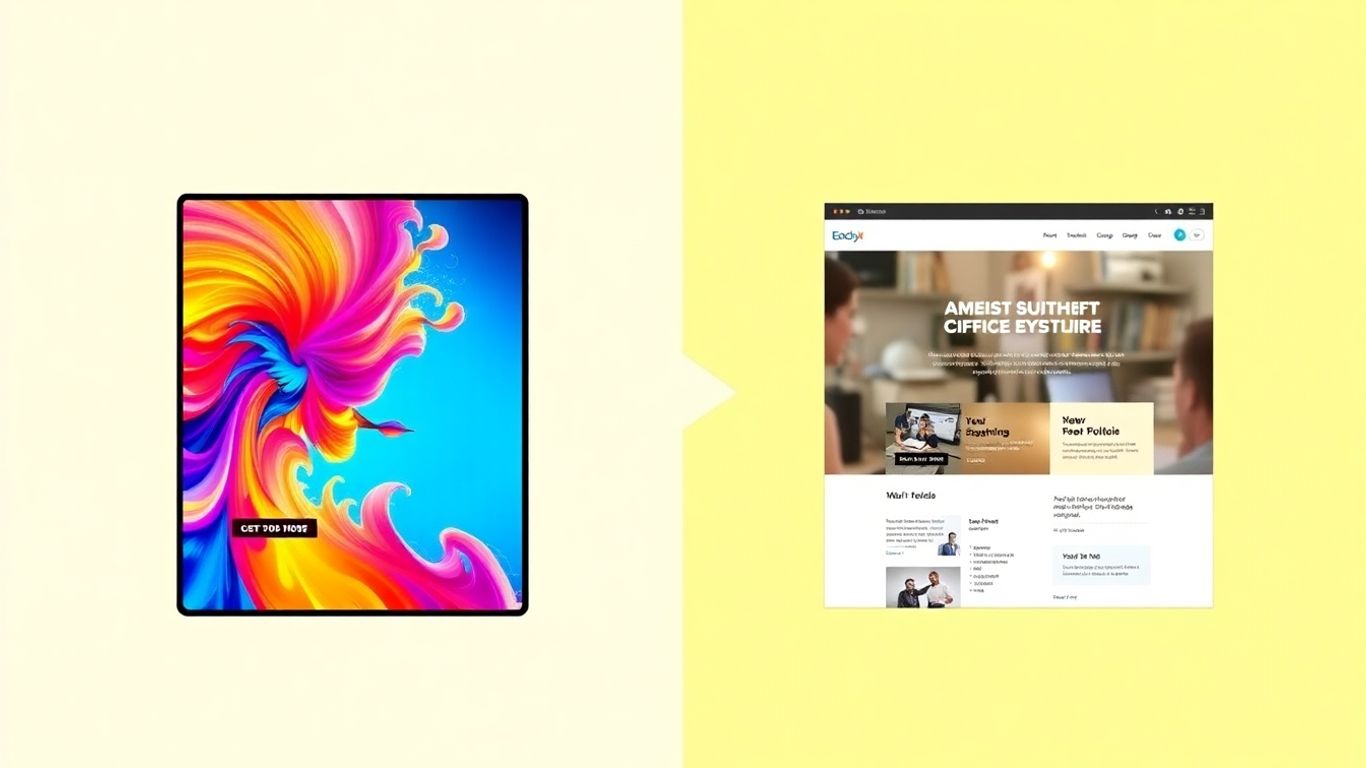
When someone clicks on your advertisement, they’ve already formed an idea of what they’re going to find. Your ad copy sets a specific expectation, and if the landing page doesn’t deliver on that promise, you’ve got a problem. Imagine seeing an ad that says, "Learn 5 Easy Ways to Boost Your Garden’s Yield," only to land on a page titled "Advanced Hydroponic Systems." That disconnect can make a visitor pause, question the legitimacy, and likely hit the back button before you even have a chance to show them anything.
This isn’t just about user experience, though. Search engines like Google pay attention to this. When your ad and landing page are aligned, it signals a better user experience, which can positively impact your ad quality score. A higher quality score can mean a lower cost per click, saving you money. It’s a win-win: visitors get what they expect, and you potentially pay less for your ads.
To avoid this, always make sure:
- The headline on your landing page directly reflects the offer or promise made in your ad.
- The core message and benefits highlighted in the ad are clearly visible on the landing page.
- Any specific details mentioned in the ad, like a discount percentage or a free resource, are present and easy to find on the page.
Consistency between your ad and your landing page builds trust. When visitors feel you’re being upfront and honest, they’re much more likely to engage with your offer and convert. A mismatch, however small, can erode that trust instantly.
5. Not SEO-Optimized

When people search for solutions online, you want your landing page to show up. That means thinking about Search Engine Optimization, or SEO. If your page isn’t set up with the right keywords and structure, it’s like having a great store on a street nobody visits.
Think about what terms someone would type into Google if they were looking for what you offer. Those are your keywords. You need to weave these naturally into your page’s headline, body text, and even image descriptions. It’s not about stuffing keywords everywhere, though; it’s about making the content helpful and relevant to what people are searching for.
Here are a few things to consider for better SEO:
- Keyword Research: Understand what terms your target audience uses.
- On-Page Optimization: Use your keywords in headings, subheadings, and body copy.
- Meta Descriptions: Write compelling descriptions that encourage clicks from search results.
- Image Alt Text: Describe your images using relevant keywords.
Search engines also look at how quickly your page loads and if it works well on mobile devices. These factors play a big role in where your page ranks. Making sure your page is technically sound helps search engines understand and rank it better. This is where a platform like Unbounce helps you create pages that are built with these considerations in mind.
A landing page that isn’t optimized for search engines is essentially invisible to a large portion of potential customers. It’s like having a fantastic product but no way for people to find it when they’re actively looking.
Don’t forget that the content on your landing page should also align with the ad or link that brought the visitor there. If someone clicks an ad about "blue widgets" and lands on a page talking about "red gadgets," they’ll likely leave immediately. This message match is important for both user experience and SEO.
6. Too Many Distractions
Your landing page should be a clear path, guiding visitors toward a single, important action. When you clutter it with extra links, navigation menus, or too many competing messages, you’re essentially putting up roadblocks. These distractions pull attention away from your main offer and can leave visitors feeling confused about what to do next. It’s like trying to have a serious conversation in a noisy room – the message gets lost.
Think about what truly needs to be on the page to achieve your conversion goal. Every element should serve a purpose. If a link or a section doesn’t directly support the primary call to action, it’s probably a distraction. This is why many successful landing pages remove the standard website header and footer. They want to keep you focused.
Here are a few common culprits that can distract your visitors:
- Website Navigation: This invites users to wander off your landing page to other parts of your site, which is rarely the goal.
- Excessive Outbound Links: While some links might be necessary for legal reasons or to provide context, too many can lead users away.
- Overlapping or Conflicting Calls to Action: If you have multiple buttons or offers that look equally important, visitors might freeze up or choose the wrong one.
- Pop-ups that appear too soon: While pop-ups can be effective, if they appear immediately and block the content, they can be a major annoyance.
The goal is to create a focused environment where the visitor can easily understand your offer and take the desired action without getting sidetracked. A clean, streamlined page design helps build trust and makes it easier for people to convert.
By removing unnecessary elements, you make it simpler for visitors to see the value you provide and take the next step. This focused approach is key to improving your landing page performance and can make a big difference in your conversion rates. If you’re looking for tools to help streamline your page design, exploring options like Unbounce vs. competitors can offer insights into builders that prioritize clarity and conversion-focused features.
0011.digital can design, build, and optimize Unbounce landing pages for your campaigns, including setup, integrations, and A/B testing.
Contact us.7. Slow Loading Times
It’s a tough online world out there, and people just don’t have a lot of patience anymore. If your landing page takes too long to load, visitors are going to click away. We’re talking about losing a significant chunk of potential customers before they even see what you have to offer. A page that takes more than three seconds to load can see over 40% of users leave. That’s a lot of wasted effort and potential revenue.
What causes these sluggish load times? Often, it’s a combination of things. Large image files that haven’t been optimized, bloated code, too many external scripts, or even just a slow hosting provider can all contribute. Think of it like trying to get somewhere with a flat tire – everything just slows down.
Here are a few things you can do to speed things up:
- Optimize your images: Make sure your images are compressed and in the right file format (like WebP or JPG for photos).
- Minify your code: This means removing unnecessary characters from your HTML, CSS, and JavaScript files.
- Use a Content Delivery Network (CDN): A CDN stores copies of your page on servers around the world, so it loads faster for visitors no matter where they are.
- Limit redirects: Each redirect adds extra time to the loading process.
Keeping your landing page speedy isn’t just about user experience; it also impacts your search engine rankings and how your paid ads perform. Google and other search engines favor faster pages, and slow loading times can even affect your ad placement and cost.
Unbounce can help you build pages with performance in mind, so you don’t have to worry as much about the technical side of making pages load fast. They focus on creating lightweight pages that get straight to the point, helping you convert visitors without making them wait.
8. Too Many CTAs
You’ve worked hard to get someone to your landing page. They’ve read your headline, understood your offer, and are ready to take the next step. But what if they’re faced with a confusing array of options? Having too many calls to action (CTAs) on a single page can actually hurt your conversion rates. Instead of guiding visitors clearly, it can lead to decision paralysis, making them unsure of which path to take.
Think of it like a restaurant menu with hundreds of items. While variety can be good, too much choice can be overwhelming. Your landing page should have a primary goal, and your CTAs should all point towards achieving that goal. If you have a button to "Download Now," another to "Sign Up for Our Newsletter," and a third to "Learn More About Our Services," visitors might get sidetracked or simply leave because they don’t know which action is most important.
The key is to have one clear, dominant call to action that aligns with the purpose of your landing page. Secondary CTAs, if absolutely necessary, should be less prominent and clearly subordinate to the main one. This focused approach helps direct user attention and makes it easier for them to complete the desired action.
Here’s a simple way to think about it:
- Primary CTA: This is your main goal. It should be visually distinct, use action-oriented language, and be placed prominently.
- Secondary CTA (Use Sparingly): If you must include another option, make it less noticeable. Perhaps a text link instead of a button, or a different color that doesn’t draw as much attention.
- No Tertiary CTAs: Avoid a third or fourth option that competes for attention. This just adds to the confusion.
By simplifying your CTAs, you create a smoother user journey and increase the likelihood that visitors will take the action you want them to. This focus is a big part of building high-converting pages, and tools like Unbounce can help you design effective CTAs that stand out without overwhelming your visitors.
9. Lack Of Mobile Optimization
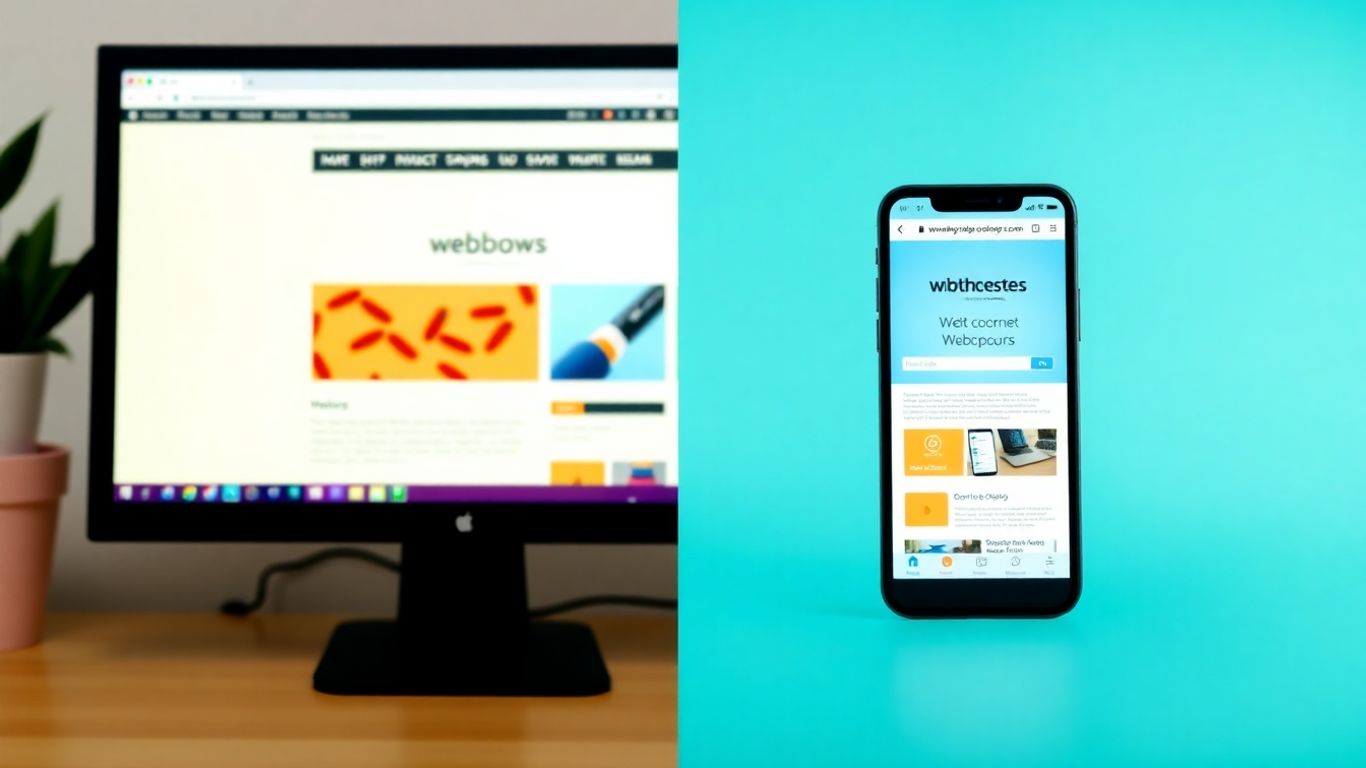
It’s pretty wild to think about, but these days, most people are browsing the web on their phones. We’re talking over 60% of all web traffic, a huge chunk! If your landing page isn’t playing nice with mobile devices, you’re basically turning away a massive audience. Imagine someone clicking on your ad, excited to see what you offer, only to land on a page that’s a pain to use on their phone. Buttons are too small to tap, text is tiny and needs zooming, or the whole layout just looks broken. That’s a surefire way to make them leave, and fast.
You need to make sure your landing page looks and works great on any screen size. This means using a design that automatically adjusts, often called ‘responsive design’. Think about how easy it is to read text without squinting, how simple it is to tap buttons, and how quickly the page loads. If it feels clunky or difficult on a phone, visitors will get frustrated and hit that back button.
Here are a few things to check:
- Readability: Is the text large enough to read comfortably on a small screen?
- Tap Targets: Are buttons and links big enough to tap with a thumb without accidentally hitting something else?
- Form Simplicity: If you have a form, is it easy to fill out on a phone? Consider using fewer fields or a multi-step process.
- Loading Speed: Mobile users are often on the go and less patient. A slow-loading page is a major turn-off.
When a visitor lands on your page from their phone, they expect a smooth, easy experience. If they have to pinch and zoom just to read something or struggle to click a button, they’ll likely assume your business is just as difficult to deal with. Making your page mobile-friendly isn’t just a nice-to-have; it’s a must-have for getting results.
10. Not Enough Landing Pages
It might seem counterintuitive, but having too few landing pages can actually hurt your business. Think about it: you’re likely running different ad campaigns, targeting various customer groups, or promoting distinct offers. If you’re sending all that diverse traffic to just one or two generic pages, you’re missing a big opportunity.
Each campaign, each audience segment, and each specific offer deserves its own dedicated landing page. This tailored approach makes your message much more relevant to the visitor. When someone clicks an ad for a specific product or service, they expect to land on a page that directly addresses that. A generic page forces them to search for what they need, which often leads to them leaving.
Studies have shown that businesses with more landing pages tend to generate more leads. For instance, companies with 31 to 40 landing pages can see seven times more leads than those with only one to five. And if you have over 40, you might get twelve times as many leads.
Here’s why having multiple, specific landing pages works better:
- Increased Relevance: Pages tailored to specific campaigns or audience needs speak directly to the visitor’s intent.
- Higher Conversion Rates: When the message on the ad matches the message on the landing page, visitors are more likely to convert.
- Better Data Tracking: You can more accurately track which campaigns and offers are performing best when each has its own page.
- Improved User Experience: Visitors find what they’re looking for faster, leading to less frustration and a better overall impression of your brand.
Trying to make one landing page do the job of many is like trying to fit a square peg into a round hole. It just doesn’t work efficiently and often leads to wasted effort and missed connections with potential customers.
Unbounce makes it simple to create and manage multiple landing pages, allowing you to test different versions and ensure each piece of traffic is directed to the most effective page for them. Don’t let a lack of dedicated pages be the reason your marketing campaigns fall short.
Putting It All Together
So, you’ve seen how easy it is for small things to go wrong with your landing pages. Things like a confusing headline, a CTA that gets lost, or a page that just doesn’t look right on a phone can really hurt your results. It’s like trying to build something sturdy with wobbly parts – it just won’t hold up. But the good news is, you don’t need to be a tech wizard to fix these issues. By paying attention to these common mistakes and making simple adjustments, you can make a big difference. Tools like Unbounce are there to help you catch these problems early and build pages that actually work for you, turning those visitors into happy customers.
Frequently Asked Questions
Why is it important to have a clear message on my landing page?
When someone visits your landing page, they need to quickly understand what you’re offering and why it’s valuable to them. If your message is unclear, visitors might get confused and leave without taking any action, which means you miss out on potential customers.
What happens if my landing page design is too busy?
A landing page that has too much text, too many images, or confusing elements can overwhelm visitors. They might not be able to find the important information or the call to action, leading them to leave your page. Keeping the design simple and focused helps visitors understand your offer easily.
How does social proof help my landing page?
Social proof, like customer reviews, testimonials, or logos of companies you’ve worked with, builds trust. When potential customers see that others have had positive experiences with your product or service, they are more likely to trust you and take the desired action.
Why should my landing page message match my ad?
If a visitor clicks on an ad and then sees something different on your landing page, they might feel tricked or misled. Keeping the message consistent between your ad and your landing page builds trust and ensures visitors know what to expect, which helps them stay on the page and convert.
Is it okay for my landing page to load slowly?
No, slow loading times are a big problem. Visitors expect pages to load quickly. If your page takes too long to load, people will likely get impatient and leave before they even see what you have to offer. This wastes the money you spent to get them there.
Why shouldn’t I have many different buttons or links on my landing page?
A landing page is meant to guide visitors towards one specific goal, like signing up or making a purchase. Having too many buttons or links (calls to action) can confuse visitors and give them too many choices, making them more likely to leave the page without doing what you want them to do.
0011.digital can design, build, and optimize Unbounce landing pages for your campaigns, including setup, integrations, and A/B testing.
Contact us.